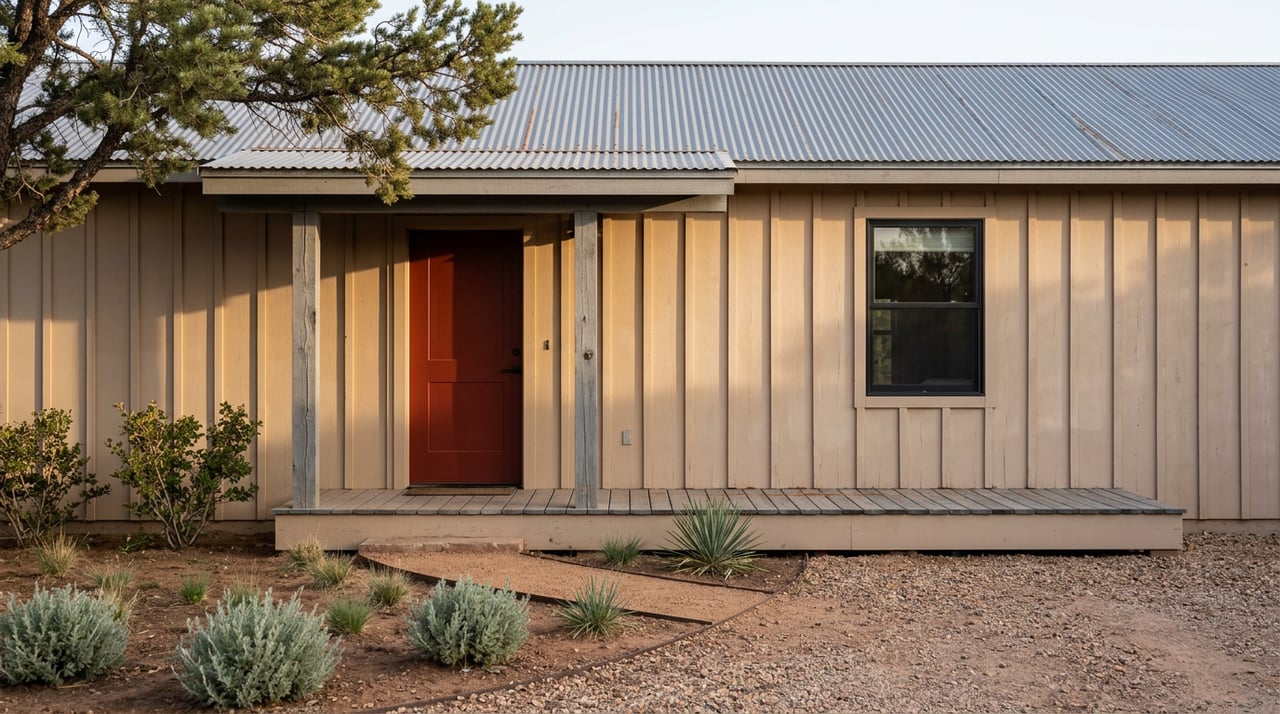
Dove Creek's Water Fight Is the Real Story Behind Its Low Prices
August 20, 2026
August 20, 2026
The doors of Dove Creek's town hall are taped shut. Not locked for a holiday or a long weekend. Padlocked, with two handwritten notices on the glass announcing the office is closed "until further notice," and a third, larger sign explaining why: threats directed at town staff and the town board over a water bill that more than doubled this year. The Colorado Sun reported the closure on July 30, 2026, noting the office had already been shut to the public for more than two months by that point, with no announced date to reopen.
If you've been looking at listings in Dove Creek because the prices are lower than Cortez, Mancos, or Dolores, this is the part of the market that doesn't show up in a listing description. The town's affordability isn't just a function of distance from Durango or a smaller population base. Right now it also reflects a water system in the middle of a forced, expensive overhaul, and that cost is landing on residents' monthly bills, not on the sale price.
For decades, Dove Creek has pulled its domestic and irrigation water from the Dolores Water Conservancy District system, which stores water behind McPhee Dam and sends it roughly 30 miles down a canal to the town's holding pond and treatment facility. The Dolores Water Conservancy District describes its municipal and industrial allotment as enough for "a moderate, but healthy, future growth rate," which is a generous way of saying there isn't much slack in the system.
That slack runs out first in dry years. The canal water is normally shut off in October, and the town gets through winter on what's left in the holding pond. Five years ago it was tight enough that the water had to be cut off in July, and the town declared an emergency and bought extra water so faucets wouldn't run dry. This year's cutoff was already scheduled for August before any of the current fight started.
Layer a state enforcement order on top of that. The state cited the town over its aging system and demanded improvements, which pushed Dove Creek to commission an engineering report. That report recommended switching the town's supply from the Dolores Water Conservancy District to Montezuma Water Company. The initial cost estimate for that switch turned out to be far lower than the real number. When residents saw what the actual bill increase looked like, that was the moment, as the Colorado Sun put it, that set off the reaction that got the town hall locked.
Brett Martin, a third-generation Dove Creek businessman and former mayor who had to declare that earlier water emergency, summed up the frustration this way:
"They are making it very difficult for rural America to survive."
He was talking about the EPA's role in pushing the system changes, but the sentence works as a description of the whole situation. A town of 635 residents at last census is absorbing an infrastructure bill sized for a much bigger tax base, and the water rate is where that bill shows up first.
None of this stopped Dove Creek from throwing its Fourth of July Pick-n-Hoe celebration at Weber Park a few weeks earlier, complete with the Pig Chase event that sends packs of ten and eleven year olds sprinting after loose pigs inside a human fence made of their neighbors. The beer tent was busy. Barbecue got cooked in a neighboring town and hauled in by volunteers because that's what a small community does during a wildfire and a water fight in the same season. People were shouting that day, but it was the ordinary kind, the kind that spurs on a kid chasing a pig, not the kind that shuts down a town office.
That contrast matters for anyone evaluating the town from the outside. Dove Creek isn't unraveling. It's a place where community life keeps running while the town works through a genuinely hard infrastructure problem in public. Both things are true, and a buyer needs to hold both.
A median price by itself tells you what homes have sold for. It doesn't tell you what it costs to keep water running to one of them, and in Dove Creek's case that second number is moving right now, in a way it isn't in Cortez or Dolores.
The town's own posted fees give you a starting point. A water tap inside town limits runs $3,000, and $4,500 if the parcel sits outside the limits. Sewer tap fees mirror those numbers. Those are one-time costs, and they're the easy part to plan for. The harder part is the monthly rate under the new Montezuma Water Company arrangement, which residents are still absorbing as the switch plays out.
For anyone weighing a purchase, that changes the due diligence conversation. A $3,000 tap fee is a line item you can budget. A rate structure that's mid-transition, tied to a supplier switch the town didn't choose and can't fully control the cost of, is something you want documented before you write an offer, not something you discover on your first winter bill.
| Question | Why it matters here |
|---|---|
| Is the parcel on the municipal tap, a private well, or a Dolores Water Conservancy District irrigation share? | Each has a different cost structure and a different exposure to the current rate changes. |
| If it's on the municipal system, what has the actual water bill looked like over the past year? | The rate increase is recent enough that older listing data or a seller's memory of "what water used to cost" won't reflect it. |
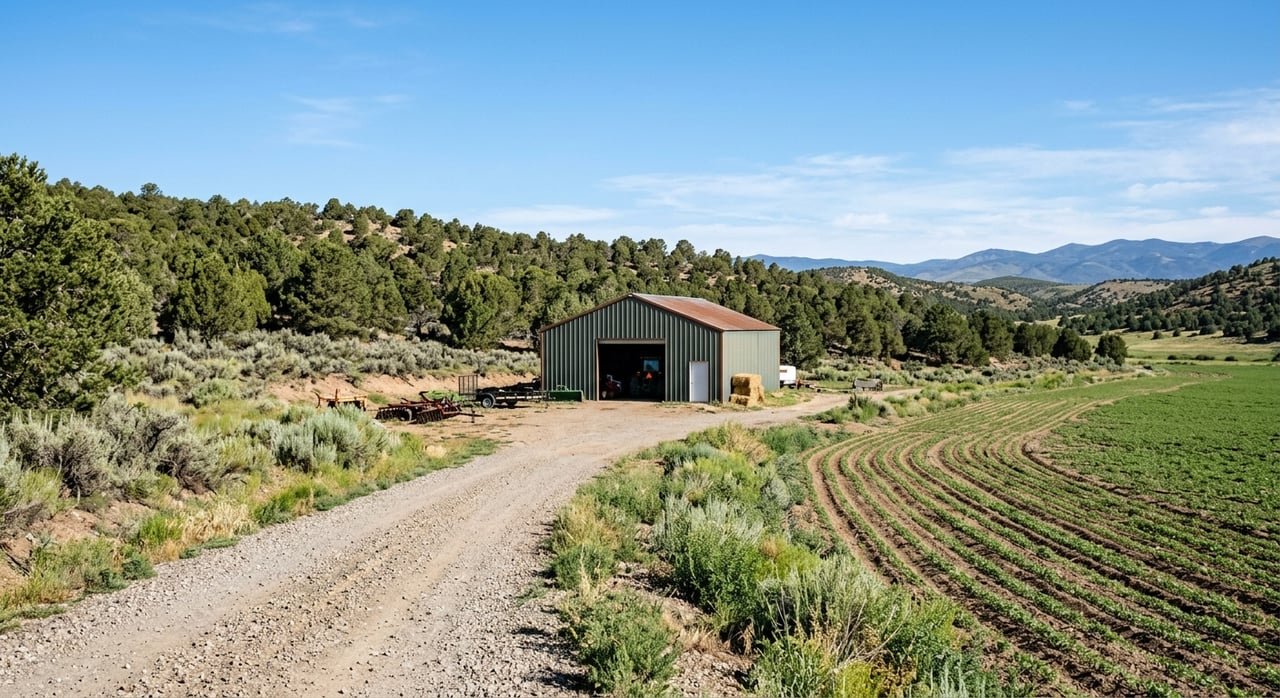
| Does the property carry full-service or supplemental irrigation rights, and are those tied to the same McPhee allocation the town depends on? | Dryland farming around Dove Creek runs on a mix of full-service and supplemental water, and the difference affects what you can actually grow or graze, not just what you pay a utility. |
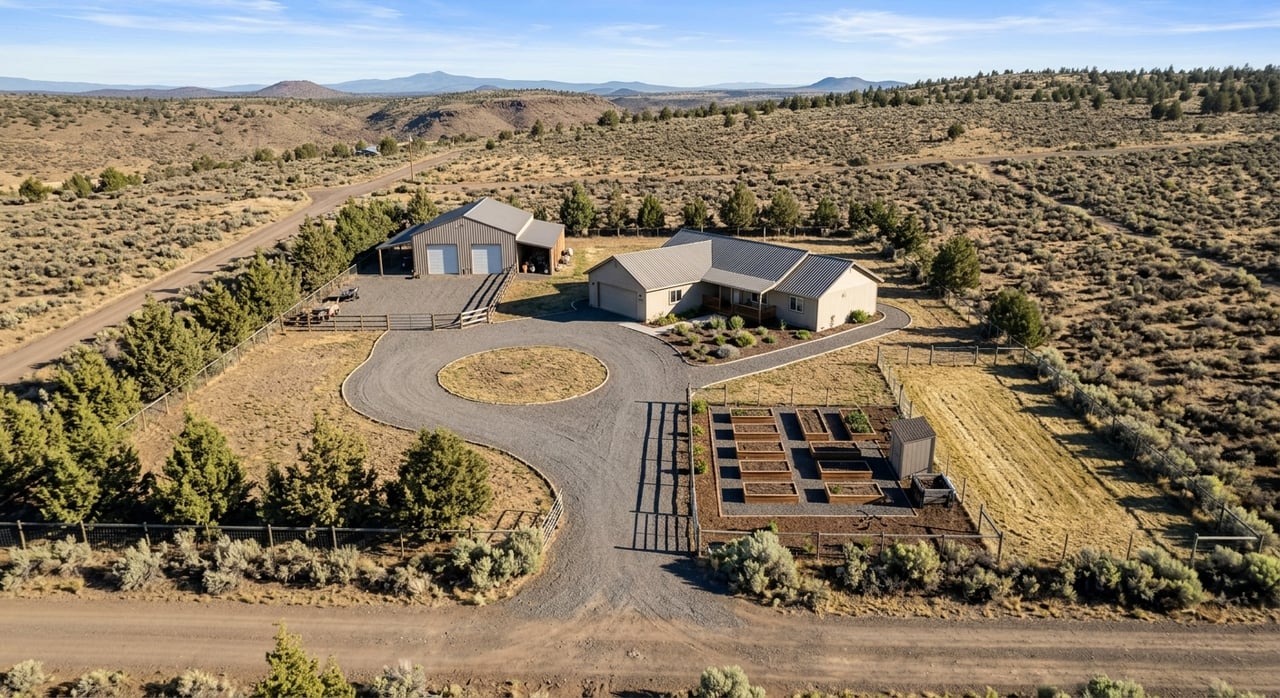
This is the same diligence we'd walk through for land and acreage around Dove Creek, and it applies just as much to a modest in-town house as it does to forty acres outside the limits.
The same water system is also recovering from a wildfire season that burned through part of its own supply corridor. The Ferris Fire started from lightning on June 27, 2026, in the Glade Area northwest of Dolores, later merging with the Doe Canyon and Far Draw fires. It grew to 64,881 acres before crews reached full containment on August 5. During the fight, air crews used scooper planes drawing water directly from McPhee Reservoir, and the fire moved through Dolores Canyon close enough to Bradfield Bridge Campground and the Dolores Canyon Overlook that evacuation zones were issued on both sides of the county line.
Officials reported the fire never reached private land or the Benchmark Lookout Tower, and no structures were lost, which is the good news. The consideration for a buyer is longer term. A burn scar on the slopes feeding a reservoir changes runoff and sediment patterns for seasons afterward, and McPhee is the same reservoir the entire Dove Creek water conversation runs through. It's one more reason the town's water situation is worth understanding as a live, evolving picture rather than a fixed fact you can check once and set aside.
None of this means Dove Creek is a place to avoid. It means the homework looks different than it does in a town on a stable municipal system with no supplier transition underway. Before we help a client write an offer on a Dove Creek property, we ask for the water source documentation first, not last, because in this market it changes the math more than square footage does.
If you're weighing Dove Creek against other options in the Dove Creek area or elsewhere in Southwest Colorado, our buyer's guide walks through the broader due diligence checklist, and we're glad to pull the specific water history on a parcel you're considering before you're locked into a contract deadline.
Does buying outside Dove Creek's town limits avoid the water issue? Not entirely. Parcels outside the limits pay the higher $4,500 tap fee if they're on the municipal system, and many rely instead on private wells or Dolores Water Conservancy District irrigation shares, which come with their own set of questions about full-service versus supplemental status.
Is this a Dove Creek-only problem, or does it touch the wider region? Cortez and the Ute Mountain Ute community of Towaoc also draw domestic water through the same Dolores Project system fed by McPhee Reservoir. Dove Creek is currently the only municipality being forced into a supplier switch, but the underlying water math, a fixed allocation shared across a dry basin, is regional.
Should I still consider Dove Creek if I'm looking for affordability? Plenty of buyers still should. Just go in knowing the price tag is one number and the water bill is a second, moving number, and get both in writing before you commit.
If you'd like a straight read on what a specific Dove Creek property's water situation looks like, or you're weighing it against Cortez, Mancos, or Dolores, Regents Real Estate Group can walk it with you. Start with a free home valuation or reach out directly and we'll get you the documentation before you need it.
Stay up to date on the latest real estate trends.

Whether buying, selling, or investing in Cortez, Paul Adams provides personalized support, market insights, and a hands-on approach to ensure your real estate goals are achieved.