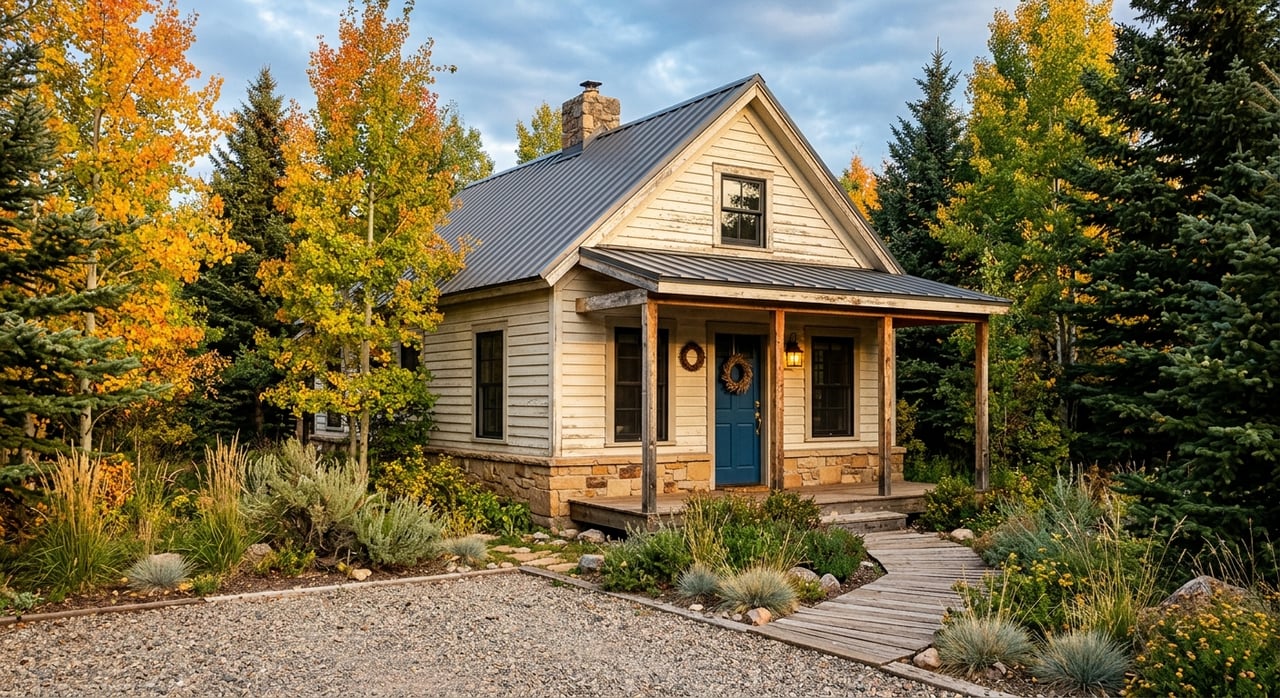
Rico Colorado Real Estate Guide: What Homebuyers Should Know
July 2, 2026
July 2, 2026
If you are thinking about buying a home in Rico, you are probably looking for more than square footage. You may want mountain scenery, a slower pace, and a town that feels real instead of overly polished. Rico can offer that, but it also asks buyers to understand altitude, infrastructure, and property-specific details before they jump in. Let’s dive in.
Rico is a very small incorporated town in Dolores County with 288 residents, 259 housing units, and about 0.7 square miles of land area. It sits at roughly 8,800 feet in the San Juan Mountains, with nearby peaks rising above 12,000 feet. That setting shapes nearly everything about daily life, from the views you wake up to, to the practical realities of owning property here.
The town has also been clear about the kind of place it wants to remain. Its regional master plan emphasizes preserving a quiet, intimate, crime-free atmosphere and avoiding the feel of a typical Colorado mountain resort area. If you are drawn to Rico, that is likely part of the appeal.
Rico is small, but it is not just a pass-through destination. The town lists core services and amenities such as the Rico Public Library, Rico Fire Protection District, transportation connections through Bustang and the San Miguel Authority for Regional Transportation, and a handful of Main Street businesses including a fuel market, coffee shop, restaurants, and a bar and grill. That gives the community a lived-in feel rather than a purely seasonal one.
At the same time, this is a mountain town with a lifestyle that leans heavily toward the outdoors. Local trail efforts include non-motorized routes for hiking, mountain biking, trail running, and fat-tire snow biking, along with the Rio Grande Southern River Trail project. For many buyers, that access is a major reason to consider Rico in the first place.
The climate here is not a background detail. Rico has four distinct seasons, significant winter snows, and spring runoff, according to the regional master plan. The same plan notes that warm sunny January days can happen, but so can summer snowstorms.
Because of the elevation, temperatures can drop quickly at night. Major snow events can also close roads, disrupt power, or delay emergency services. If you are used to suburban convenience, that is an important adjustment to understand before you buy.
Summer tends to feel busier than winter. Rico is described as liveliest in summer, which fits with the town’s recreation focus and visitor activity. For you as a buyer, that can mean quieter winters and a more active warm-weather rhythm without the constant bustle of a larger resort market.
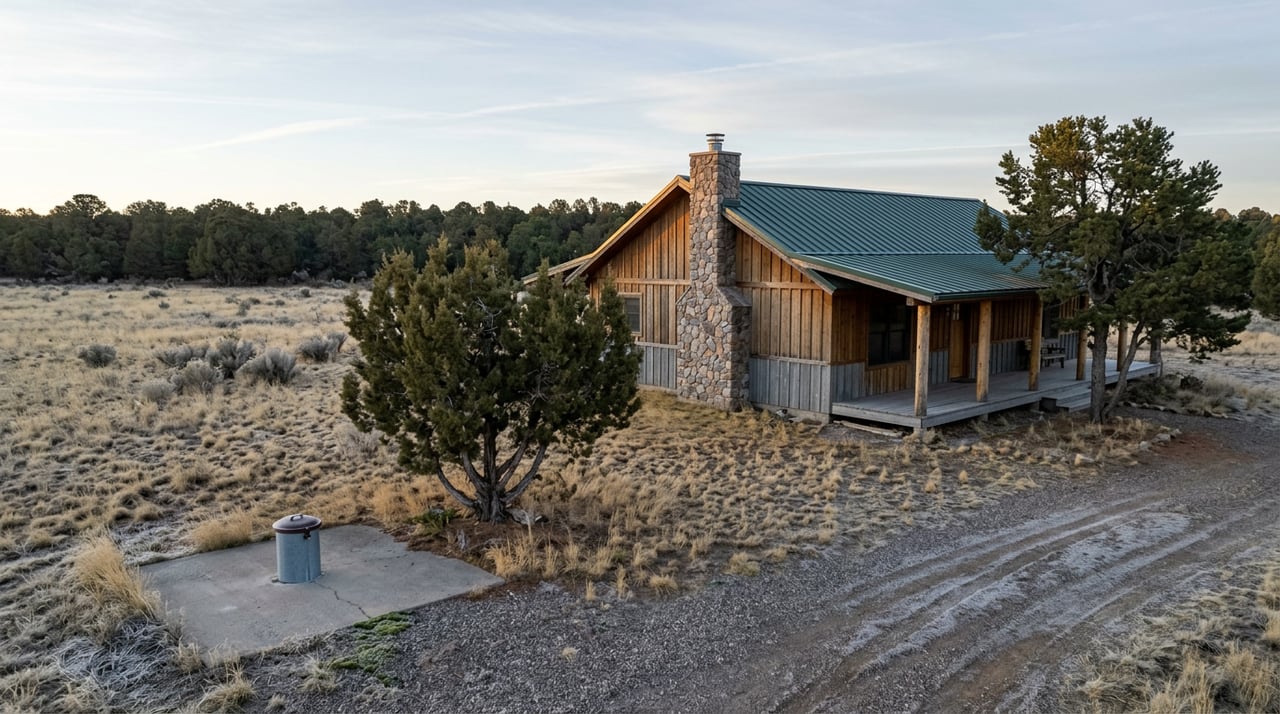
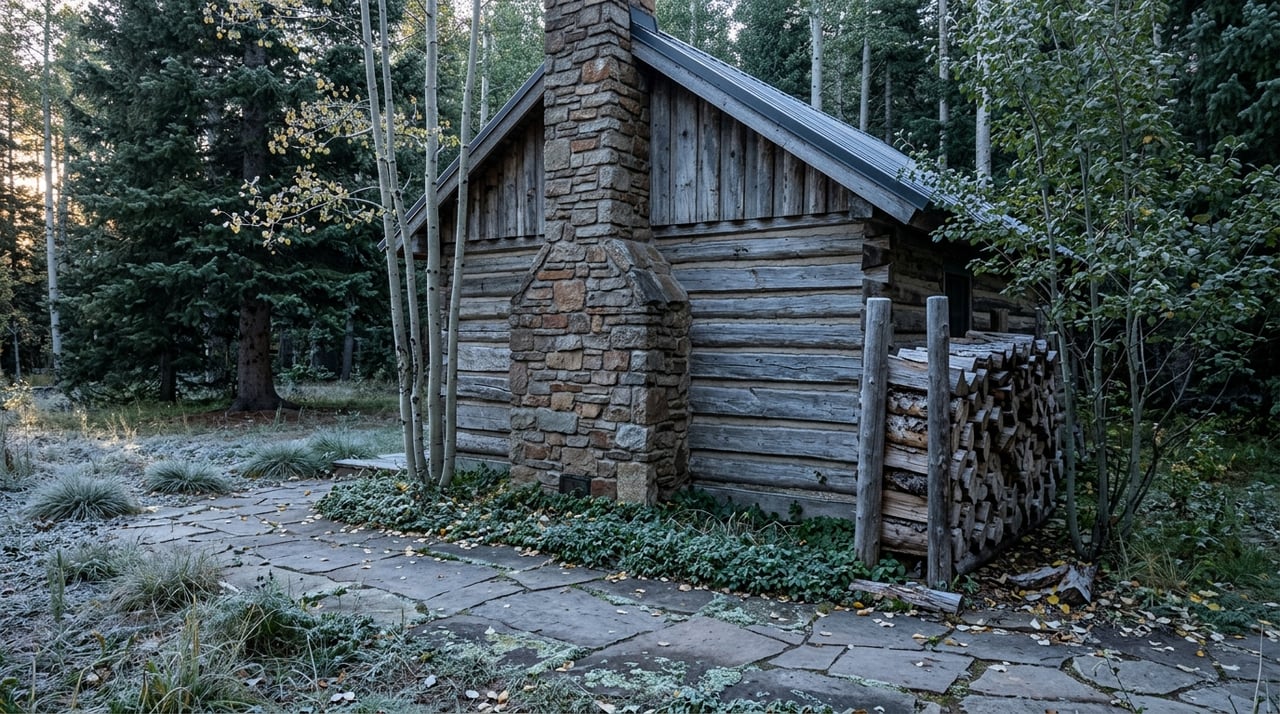
Rico’s housing stock reflects its mining-era roots. Historic buildings in town include notable masonry and civic structures, while much of the older residential fabric appears to be wood-frame construction. That means buyers may find homes with character, age, and unique construction details rather than uniform subdivisions.
Lot patterns can vary quite a bit too. The master plan notes that the historic townsite included several hundred platted lots, along with private holdings tied to about 1,800 acres of mining claims. In practical terms, that means you should not assume every parcel follows the same rules, shape, or building setup.
The town’s land-use language says lot size, width, depth, shape, and orientation should support access, outdoor space, privacy, and views. It also notes that parcels need to be adequate for on-site wastewater systems while the town remains without a central sewer system. For buyers looking at vacant land or homesites, this is a major point to review early.
Buying in a historic mountain town often means you get charm and individuality, but also more variables. Older homes may have construction features, layouts, or maintenance needs that differ from newer properties. In Rico, that can include age-related updates, site conditions, and utility planning that need closer review.
This is where local guidance matters. A property that looks simple online may involve more due diligence once you factor in access, septic, permits, water tap costs, or soil-related rules. If you are comparing Rico to a newer neighborhood elsewhere, the buying process may feel more hands-on.
Rico requires building permits for all construction. The town says work follows the 2006 International Building Code, 2006 International Residential Code, and related codes, while electrical, plumbing, and fuel gas work are regulated by the State of Colorado. If you are planning a remodel, addition, or new build, you will want to understand those requirements before budgeting.
This is especially important for buyers considering vacant land or a fixer-upper. In a place like Rico, the purchase price is only part of the equation. Your timeline, permitting path, and site work can have a big impact on the true cost of ownership.
One of the biggest practical differences in Rico is that the town does not have a central sewer system. New septic systems and septic repairs require a town permit and a design stamped by a Colorado-licensed engineer. That adds another layer of planning for buyers who expect a more standard utility setup.
For homesites, septic feasibility can shape what is possible on a parcel. For existing homes, the condition, age, and compliance status of the system deserve careful attention during due diligence. This is not the kind of detail you want to leave until late in the process.
Water planning is another area where buyers should look closely. Rico’s land-use code says the municipal water supply comes from a well north of town and is intended to serve existing needs rather than major growth. The town also requires water conservation strategies for new development.
The building page lists water tap fees ranging from $12,500 for a 3/4-inch tap to $86,000 for a 2-inch tap, plus installation. If you are looking at land and thinking a future build will be simple, those costs are worth pricing out early. Budget assumptions that work in one market may not translate well here.
Rico is also dealing with an active lead-soil cleanup effort. The town says it is operating a Voluntary Cleanup and Redevelopment Program overseen by the Colorado Department of Public Health and Environment, and digging or excavating 1 cubic yard or more can trigger soil-management rules, permits, and reimbursement procedures. The state confirmed a formal agreement with the town in 2024 to address the contamination.
For you as a buyer, this does not automatically rule out a property. It does mean that remodels, additions, landscaping, and other ground-disturbing work deserve extra research. If a property purchase includes plans for excavation, this should be part of your upfront review.
Rico tends to fit buyers who want a historic mountain setting, strong outdoor access, and a quieter pace. It can be a compelling option if you value character, scenery, and a less resort-driven feel. For some people, that is exactly the point.
It may be a better fit if you are comfortable with site-specific questions and a little more legwork. Utility costs, septic considerations, permit requirements, and seasonal conditions are all part of the ownership picture. Buyers who understand that often feel more confident and make better decisions.
If Rico is on your list, it helps to look at each property through both a lifestyle lens and a practical one. Ask yourself not only whether you love the setting, but also how the home or lot functions through winter, site work, and long-term ownership. That balance is especially important in a small mountain market.
A smart buying approach in Rico often includes:
Rico can be a rewarding place to buy when your expectations match the realities of the market. With the right guidance, you can sort through the details and focus on whether the property truly fits the life you want to build in Southwest Colorado.
If you are exploring homes or land in Rico and want grounded, local guidance, Paul Adams and Regents Real Estate Group can help you evaluate the details, understand the tradeoffs, and move forward with confidence.
Stay up to date on the latest real estate trends.

Whether buying, selling, or investing in Cortez, Paul Adams provides personalized support, market insights, and a hands-on approach to ensure your real estate goals are achieved.