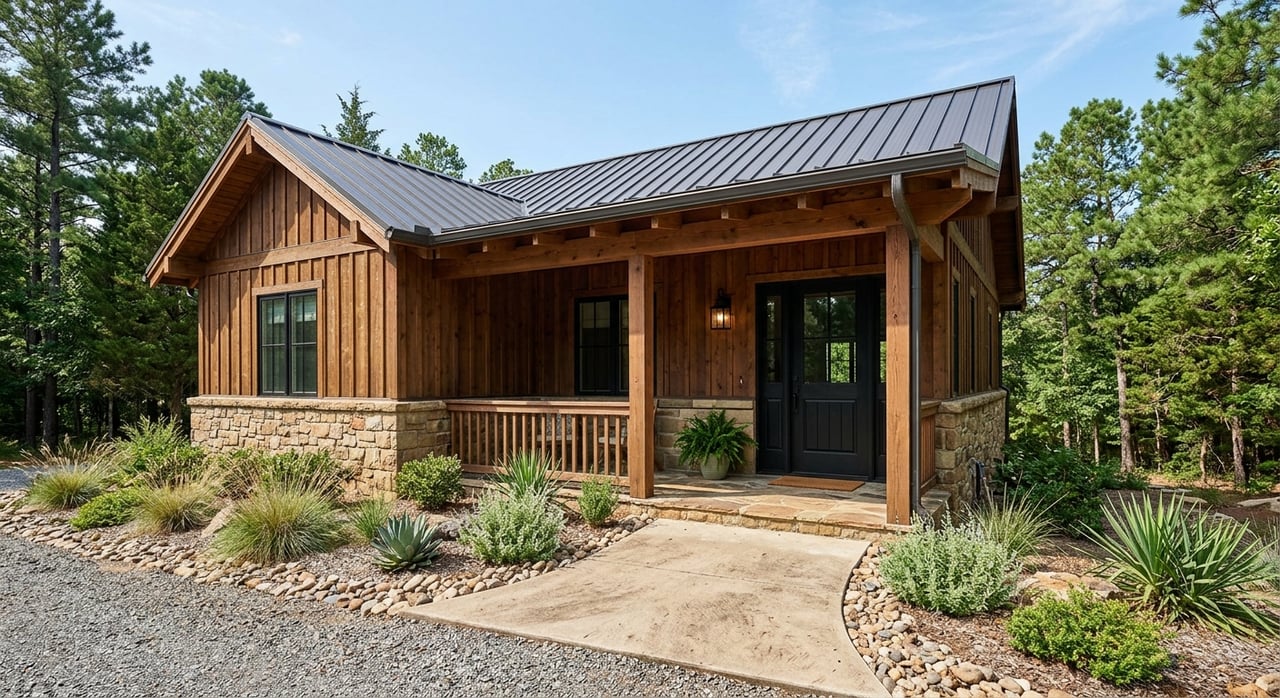
Selling A Home In Durango: Pricing And Timing Tips
May 28, 2026
May 28, 2026
Thinking about selling your home in Durango? The biggest mistake many sellers make is treating the market like one simple number. In reality, Durango and greater La Plata County behave like a collection of smaller markets, each with its own pricing patterns, buyer expectations, and timing windows. If you want to protect your equity and attract serious buyers, you need a strategy built around your home’s exact submarket, condition, and seasonality. Let’s dive in.
If you look only at countywide numbers, you can miss what really matters for your listing. The 2025 annual MLS data shows a county residential median price of $695,000, but the spread across submarkets is much wider. In-town Durango came in at $850,000, country homes at $930,000, condo and townhomes at $545,000, Bayfield in-town at $522,500, and the mountain area at $1.592 million.
That range matters because buyers do not shop the county as one bucket. They compare homes by location, drive time, property type, upkeep, and lifestyle fit. A pricing strategy that works for an in-town Durango home may not make sense for a rural property, a condo, or a mountain-area listing.
When you price your home, the goal is not to chase the highest headline number. The goal is to position your home where buyers see value and feel confident making an offer. In Durango, that means using recent comparable sales in the same submarket and property type, not broad county averages.
The local MLS report also shows that the most active price band was $500,000 to $700,000. That range accounted for 52% of single-family sales and 23% of condo and townhome sales. This is a useful reminder that pricing should be tied to where buyers are actually transacting, not where sellers hope the market might go.
Countywide medians are helpful for general context, but they are too blunt for a listing decision. A home in town, a rural home outside the core, and a resort-area property can all sit under the same county umbrella while attracting very different buyers. If you rely too heavily on one broad market stat, you risk overpricing or underpricing your property.
Small-sample markets need even more care. In the first quarter of 2026, the resort area posted a median price of $2.475 million on only six sales. That kind of low-volume segment can create dramatic swings that do not always reflect a stable pricing trend.
A high list price may feel like a way to protect your equity, but local data suggests it can work against you. In February 2026, single-family homes in La Plata County sold at 96.1% of list price with 151 days on market. Condos and townhomes sold at 97.9% of list price with 130 days on market.
Those numbers show two things. First, buyers are negotiating. Second, homes are often taking time to sell, so pricing discipline matters.
The local association’s analysis also notes that homes that sold were typically well-priced and show-ready. In a market with modestly higher inventory, buyers have more options and more leverage. If your home starts too high, you may lose early momentum and end up chasing the market later.
Many sellers want one clear answer to the question, “When should I list?” In Durango, the honest answer is that timing depends on the kind of property you own and where it sits. Seasonality is real here, but it is not the same for every segment.
Local analysis shows that a dry, nearly snowless winter pulled many 2025 listings forward into the first half of the year. In January 2026, inventory was up 13% year over year, pendings were also up 13%, and sales were up 9%. That tells you buyers are active even early in the year when conditions cooperate.
In-town Durango tends to be the county’s strongest and most resilient market. Q1 2026 showed the in-town Durango median sold price at $940,000, up 15.7% year over year. Buyers looking for convenience and access to town amenities may stay active through more of the calendar year.
That does not mean timing is irrelevant in town. It simply means sellers may have more flexibility if the home is ready, priced well, and easy to show.
Outside town, timing can become more important. Local analysis says resort-area sales usually lag until spring break, while rural areas can be especially sensitive to snow and shoulder-season conditions. Later in 2025, the association also described a clear shoulder season, with buyers concentrating closer to the urban Durango hub and rural listings becoming harder to show.
If your home is farther from town center, buyers are often weighing more than the house itself. They may also be thinking about road access, weather, maintenance, and day-to-day convenience. That is why your launch window should match your likely buyer pool, not just the calendar.
In Durango, preparation is not just cosmetic. It is part of your pricing and timing strategy. Local market commentary repeatedly points to the same pattern: homes that sell are well-priced and show-ready.
Before you list, focus on the basics that help buyers feel confident:
For buyers in mountain-town and rural markets, lower-maintenance and winter-ready features can carry real appeal. Clear walkways, manageable exterior upkeep, visible storage, and a home that feels easy to live in can support stronger buyer interest.
In this market, pre-listing prep should also include wildfire readiness where relevant. The City of Durango says the Durango Fire Protection District can inspect a home for wildfire safety and discuss defensible space. The city also describes its Spring Cleanup as a fire-mitigation opportunity.
This became even more relevant as the city began enforcing the Colorado Wildfire Resiliency Code on qualifying permits and land-use applications on April 1, 2026. The code is intended to reduce fire risk through structure hardening and defensible space, while also addressing insurance and underinsurance concerns.
If your property is in a wildfire-prone or rural setting, it helps to organize documentation before going live. The local association has linked slower rural sales to rising insurance costs, and local reporting notes that higher HOA dues and ownership costs have softened some mountain condo and townhome demand.
A smart pre-listing file may include:
This kind of preparation can reduce buyer uncertainty and help your home feel more market-ready from day one.
If you want a clear path forward, keep your strategy simple and local. Start with your exact submarket, recent comparable sales, and your property’s condition. Then choose a launch timing that fits how buyers shop that specific area and property type.
A strong Durango selling plan usually looks like this:
Durango remains a desirable place to live, and local analysis suggests 2026 should be another stable year with steady demand, modestly higher inventory, and prices likely to hold or see mild appreciation. Still, that does not mean every home will sell quickly or at the same pace. Sellers need to compete with better pricing, stronger presentation, and realistic timing.
That is where local guidance makes a difference. A home in town may need one approach, while a country property, condo, or mountain-area home may need another. The more closely your strategy matches your real buyer pool, the better your odds of a smooth and successful sale.
If you’re getting ready to sell in Durango or anywhere in Southwest Colorado, Paul Adams can help you build a pricing and timing plan that fits your property, your market, and your goals.
Stay up to date on the latest real estate trends.
Whether buying, selling, or investing in Cortez, Paul Adams provides personalized support, market insights, and a hands-on approach to ensure your real estate goals are achieved.