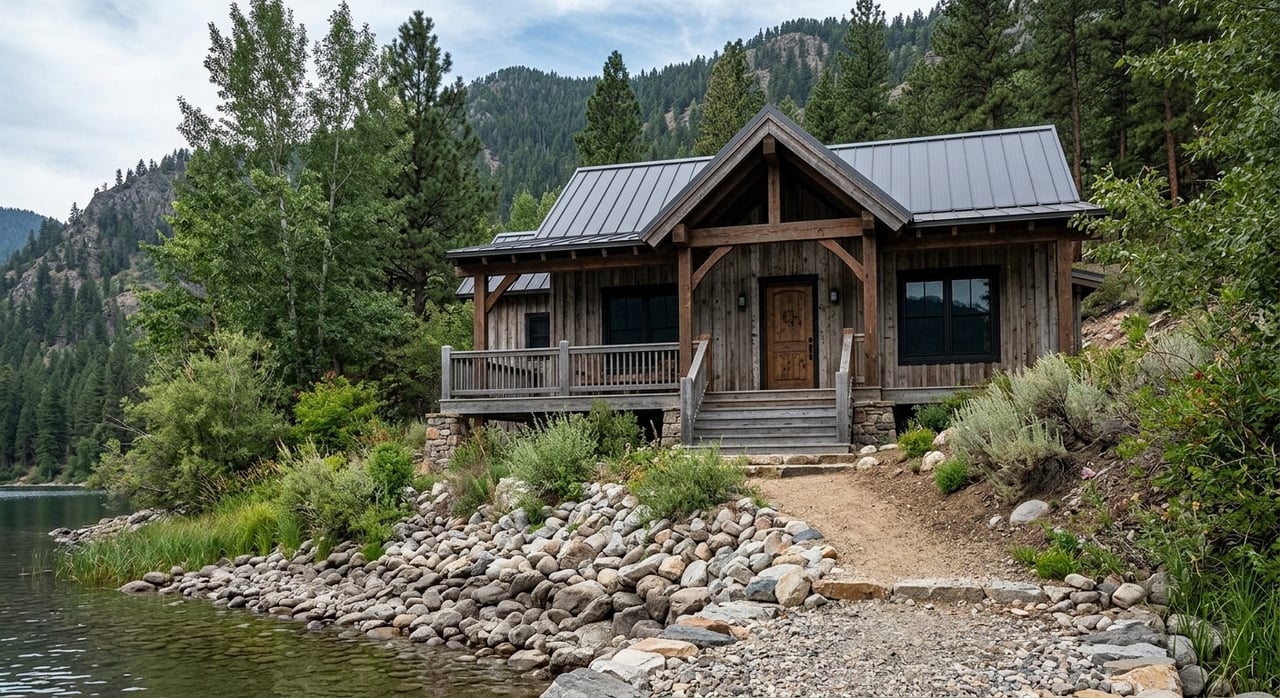
Buying a Home Near Dolores River and McPhee Reservoir
June 4, 2026
June 4, 2026
If you are thinking about buying near the Dolores River or McPhee Reservoir, the biggest question is not just where to buy. It is how you want to use the area day to day. For many buyers, this part of Dolores offers a rare mix of boating, fishing, open space, and rural living, but it also comes with seasonal access and practical tradeoffs. In this guide, you will get a clear look at what makes this area appealing, what kinds of properties you may find, and what to think through before you make a move. Let’s dive in.
If you are drawn to Southwest Colorado for outdoor living, this corridor stands out for a reason. McPhee Reservoir and the Dolores River are part of the same managed water system, not two totally separate amenities. McPhee Dam and Reservoir serve several purposes, including irrigation, municipal and industrial use, recreation, fish and wildlife, and hydroelectric power.
That matters when you are deciding where to buy. You are not shopping around a private lake or a static waterfront setting. You are buying near active water infrastructure that supports recreation while also operating around seasonal and system needs.
For many buyers, that is still a strong plus. If your ideal weekend includes launching a boat, fishing, or heading out for a day on the water without leaving the Dolores area, McPhee offers that lifestyle close to town.
The McPhee Recreation Complex is located on the south shore of the reservoir and can be reached from Dolores by driving south on Highway 145, then west on Highway 184, and continuing about 7 miles to the recreation area. That relatively close access is part of the appeal for buyers who want a home base near outdoor recreation without being far removed from Dolores itself.
This setup tends to attract buyers who care more about access to fishing, boating, and open land than walkable urban convenience. If that sounds like your lifestyle, the area can be a strong fit.
McPhee Reservoir offers a fairly broad recreation mix. The Forest Service says the area includes a full-service marina, McPhee Campground, two undeveloped fishing-access sites farther east on Highway 184, and two north-shore day-use fishing areas.
The marina adds convenience that some buyers may not expect in a rural recreation setting. According to the Forest Service, it offers boat rentals, daily fishing information, BBQ grills, a depth finder, and fishing rods and tackle.
Fishing is also a major part of the draw. Species listed for the reservoir include walleye, smallmouth and largemouth bass, trout, crappie, northern pike, perch, and kokanee salmon.
For boaters, timing matters. The McPhee Boat Ramp is open from mid-April through October, and access is subject to mandatory mussel inspections and current boat registration requirements.
The Dolores River below McPhee Dam offers a different kind of experience. Colorado Parks and Wildlife describes this stretch as remote and hard to access, with a tailwater trout fishery that can change depending on the water supply.
Common fish species below the dam include rainbow trout and brown trout. The Bureau of Land Management notes that downstream flow depends on releases from McPhee Dam and can change dramatically, which means conditions are seasonal and release-dependent rather than consistent all year.
For buyers, this is important context. Living near the river can support a great fishing-focused lifestyle, but the experience is tied to water management and timing, not a fixed year-round pattern.
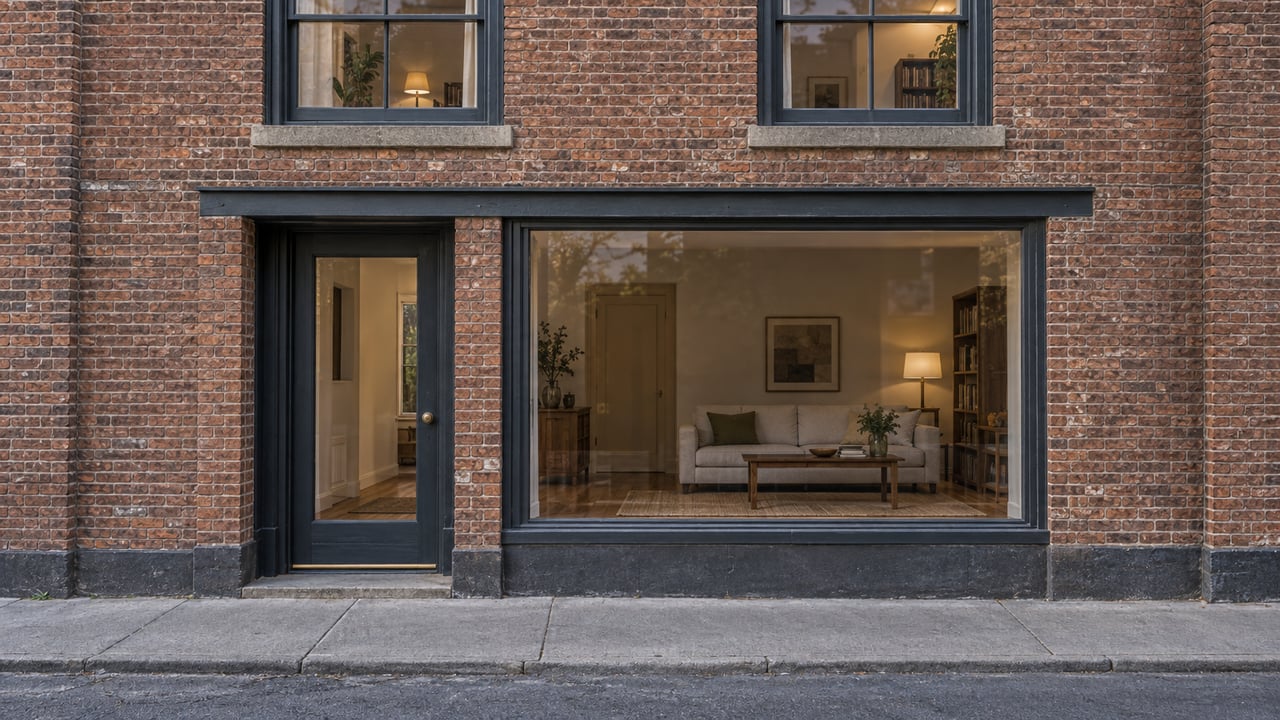
One of the most useful things to understand before you start your search is that there is no single “typical” property near McPhee Reservoir or the Dolores River. Current listings in Dolores show a mixed inventory that includes single-family homes, townhomes, duplexes or triplexes, and land for sale.
Listings tied more specifically to the McPhee Reservoir area also show houses, townhouses, multifamily homes, and lots or land. Realtor search patterns in Dolores also show both homes and acreage parcels.
In practical terms, that means you may come across:
This variety is one reason the area appeals to both local buyers and lifestyle relocators. You can often search for a property that fits how you want to live, whether that means easier access to town, room for equipment and toys, or land for future plans.
In many markets, buyers hear “near the water” and picture easy shoreline access or a true waterfront setup. Around McPhee and the Dolores corridor, that can mean something more varied.
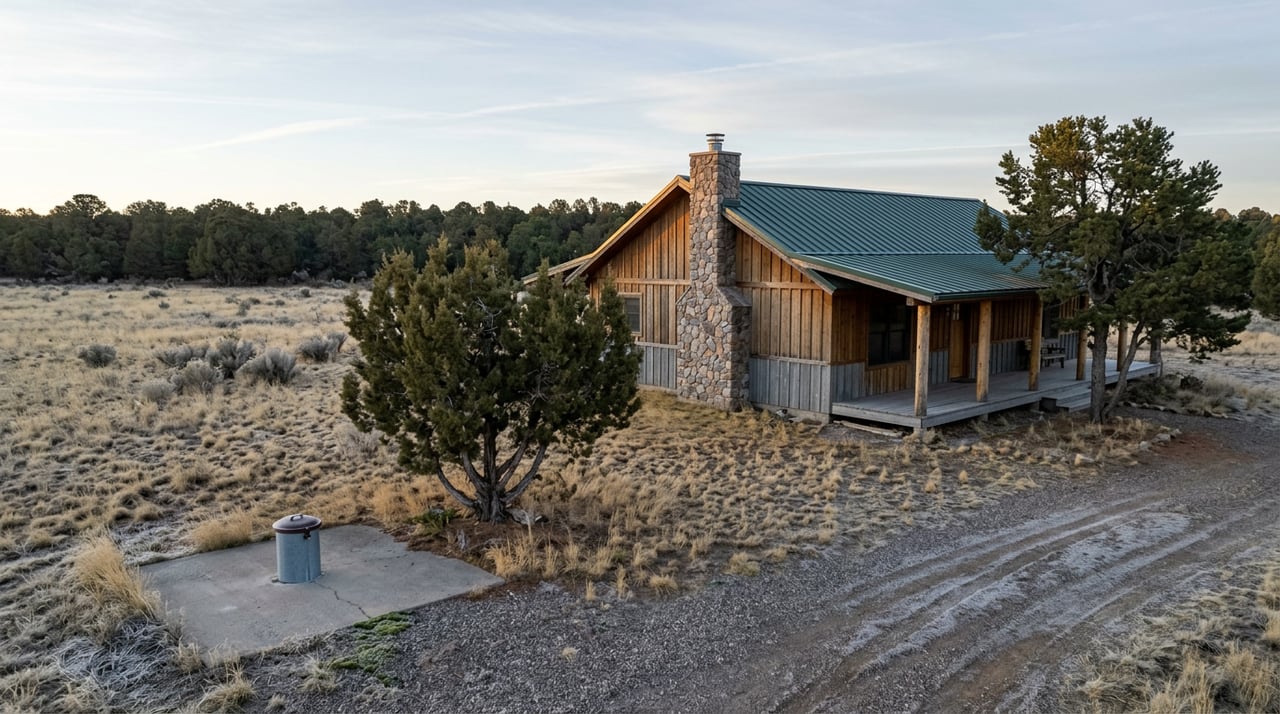
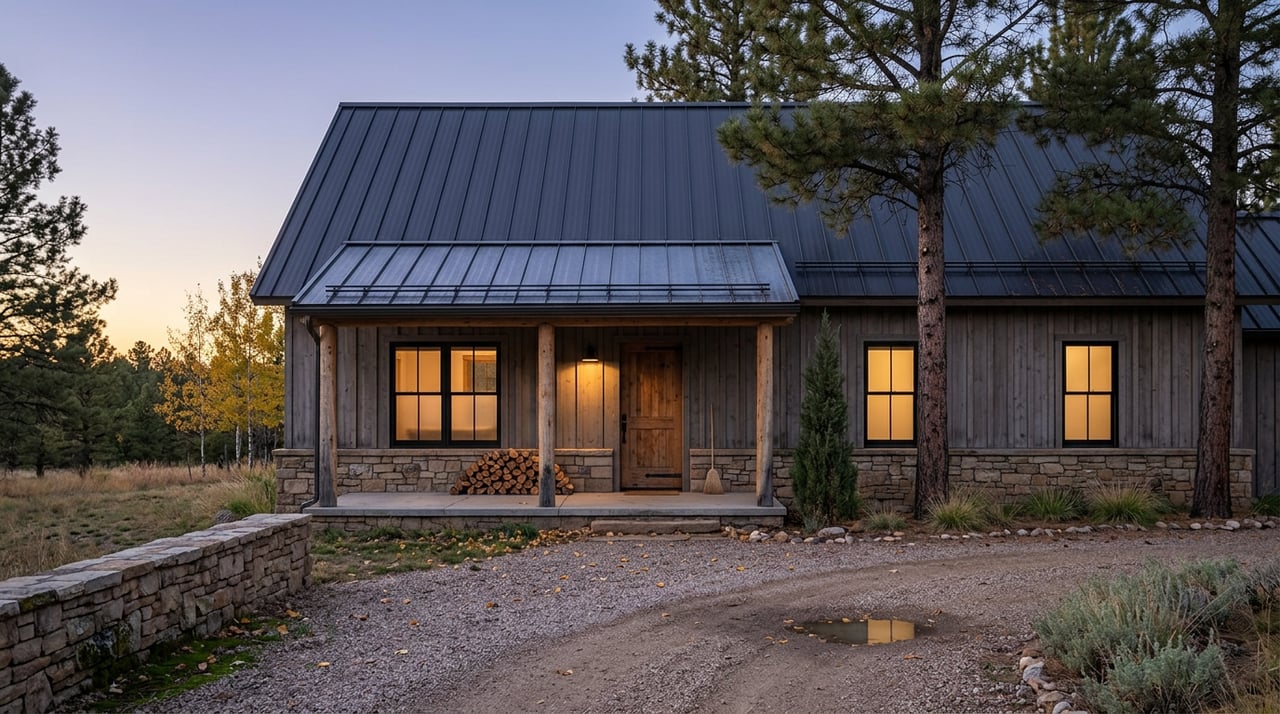
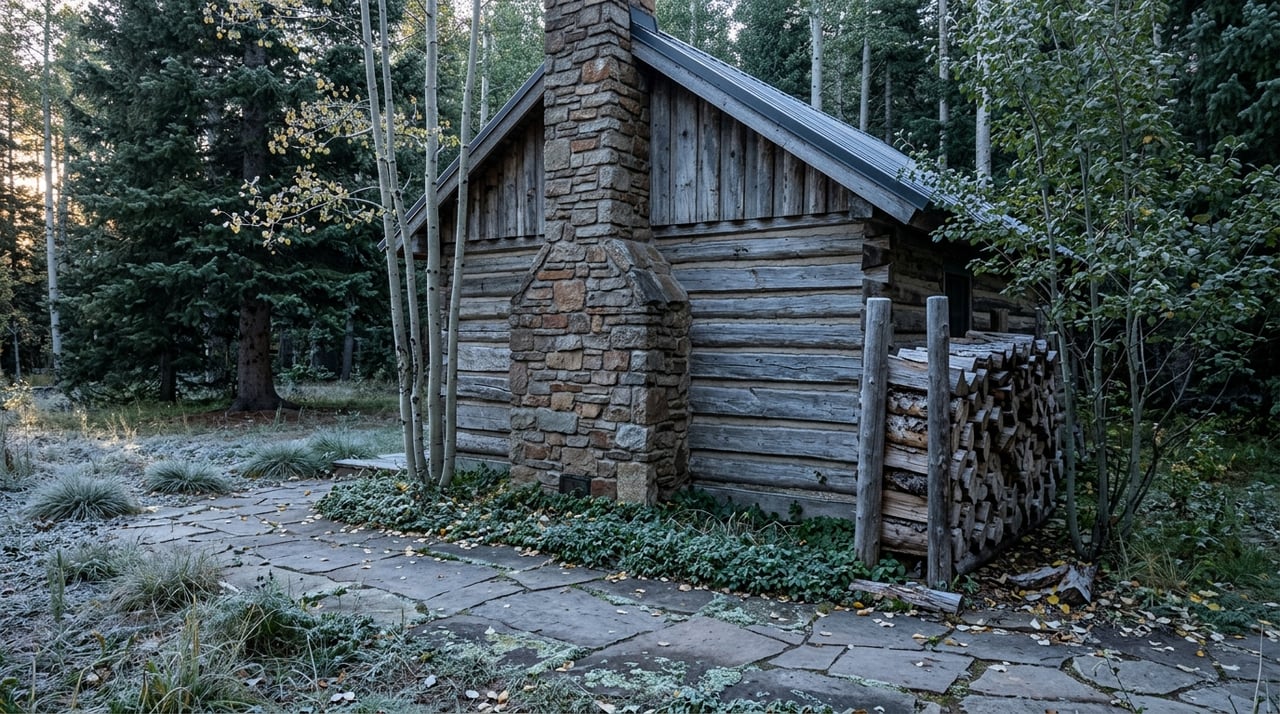
Some properties may feel like convenient recreation bases close to developed amenities. Others may feel more like rural cabins or acreage with water nearby, rather than a walk-out waterfront experience.
That difference matters when you are comparing listings. A property may offer quick access to boating or fishing without giving you direct shoreline use or the kind of waterfront feel you would expect in a planned lake community.
This is why it helps to narrow your priorities early. Ask yourself whether you want to be directly on the water, or whether you really want to be close enough to use it often while enjoying the benefits of a rural setting.
Buying in this area is often as much about logistics as scenery. Because access is managed and seasonal, your day-to-day experience may look different than it would in a typical suburban neighborhood.
For example, the McPhee boat ramp operates on a seasonal schedule. The Forest Service also notes that boats are inspected on site, and weekend visitation is usually heavier than weekday use.
That can make a difference in how you think about:
The area also includes a mix of developed and lower-amenity recreation sites. While McPhee has a full-service marina and campground, other fishing-access points and day-use areas are more basic.
For some buyers, that is part of the appeal. The setting feels less built-up and more rural. For others, it is a reminder that convenience can vary a lot from one parcel to the next.
Buying near McPhee Reservoir or the Dolores River tends to make the most sense if your lifestyle priorities are clear. This area is especially appealing if you value boating, fishing, and a rural recreation setting over walkable retail or denser neighborhood living.
You may be a good fit for this part of Dolores if you want:
It may be less ideal if you want highly predictable water conditions, year-round launch access, or a neighborhood built around uniform waterfront living. The area offers a lot, but it works best when your expectations match how the water system and recreation access actually function.
When you are buying in a rural, lifestyle-driven area, details matter. Two homes with similar price points can offer very different day-to-day experiences depending on access, parcel layout, and how close they are to the recreation features you care about most.
That is where local guidance becomes especially valuable. In a market like Dolores, it helps to work with someone who understands the difference between a property that looks good on paper and one that truly fits the way you want to live.
At Regents Real Estate Group ERA Powered, that local perspective is central to the process. Paul Adams built the brokerage on practical knowledge, strong relationships, and helping people find the right lifestyle fit, not just complete a transaction.
If you are comparing in-town homes, acreage, cabins, or land near McPhee and the Dolores River, a grounded local view can help you sort through the tradeoffs with more confidence.
If you are thinking about buying near the Dolores River or McPhee Reservoir, the right property starts with the right questions. Reach out to Paul Adams for practical, local guidance on finding a Southwest Colorado property that fits the way you want to live.
Stay up to date on the latest real estate trends.
Whether buying, selling, or investing in Cortez, Paul Adams provides personalized support, market insights, and a hands-on approach to ensure your real estate goals are achieved.